
Varithena Foam Treatment: How It Works and Why Varithena Treatment Helps with Varicose Veins
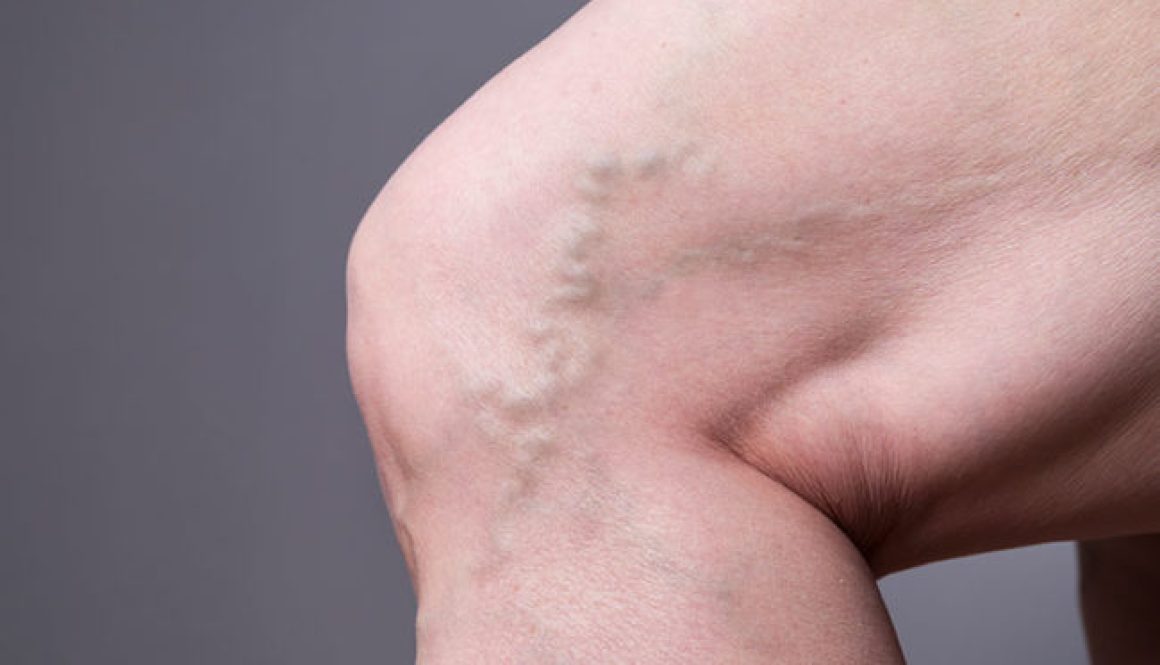
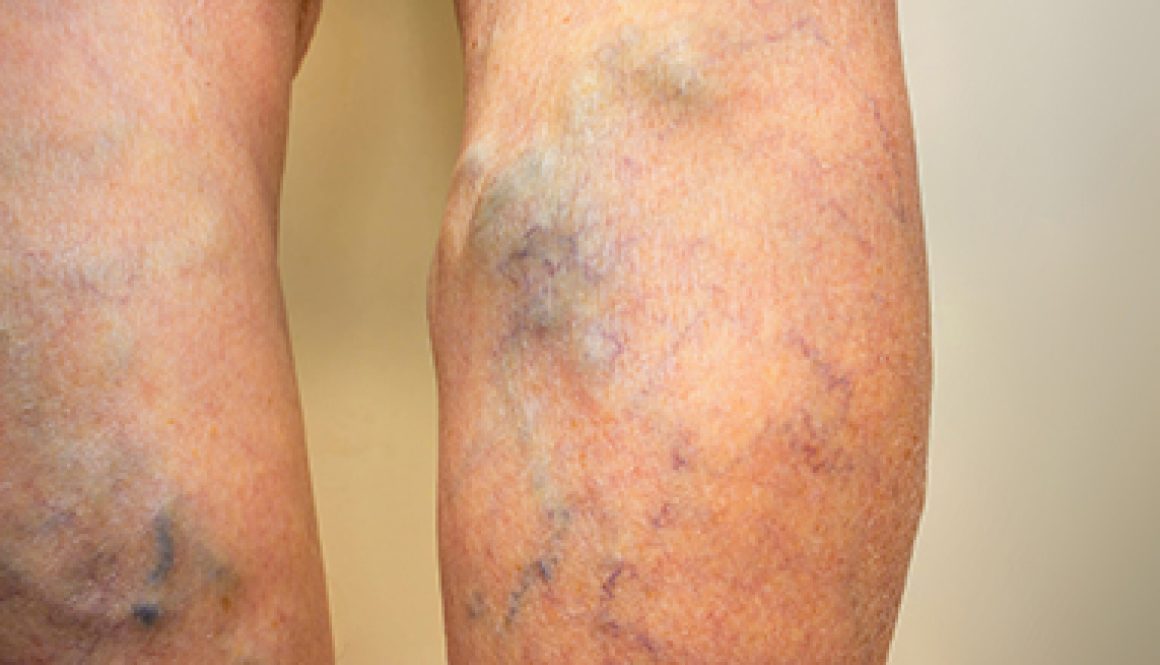
Varicose veins are a common health problem that affects many people, especially as we get older. These veins can be unsightly and uncomfortable, causing swelling, pain, and aching on the legs. But thanks to advanced modern medical advances, we now have a variety of treatments available. One of the latest and most effective treatments available today is Varithena. In this article, we will explore how Varithena works, why it helps with varicose veins, and who could benefit from this innovative treatment.
What is Varithena Vein Treatment?
Varithena is an FDA-approved, minimally invasive treatment for varicose veins that utilizes a special foam solution. This foam solution is made up of polidocanol, a chemical compound that has been used for over 50 years in medical treatments and is safe for use in the human body. Varithena’s foam solution is specifically designed to treat veins that are twisted, enlarged, and bulging, as well as spider veins and venous insufficiency. Once the solution is injected into the affected vein, it works by damaging the inside of the vein, causing it to collapse and eventually dissolve, thus closing the vein permanently.
How does Varithena Treament work?
During the Varithena treatment, the foam solution is injected directly into the abnormal vein using a small needle. The foam spreads through the vein, displacing blood and causing the vein to collapse. Once the vein is damaged, it is gradually absorbed by the body and disappears over time. The entire procedure is minimally invasive, with no incisions required, and it only takes about 30-45 minutes to complete. Patients usually require little to no downtime and can resume normal activities within a few days.
Why Varithena Helps with Varicose Veins
Varithena is a highly effective treatment for varicose veins, and there are many reasons why it is gaining popularity. For one, unlike traditional surgical techniques, there is no need for general anesthesia or hospitalization. Varithena is a safe and effective option for those who want to minimize the risks and potential complications associated with surgery. Additionally, Varithena can successfully treat the more extensive and difficult to reach veins; it can target veins as large as 15-20mm in diameter. This is a significant advantage over traditional surgical approaches, which can be less effective at treating larger and more intricate veins.
How Does Varithena Foam Treatment Work?
Varithena treats varicose veins by delivering polidocanol microfoam directly into the affected vein. The treatment works in a few key steps:
- Varithena is administered into the vein. A small amount of polidocanol microfoam is delivered into the affected vein by a trained and experienced healthcare professional, often a board-certified phlebologist.
- The microfoam fills the targeted vein. The foam displaces blood within the treated section, allowing the medication to contact the vein wall.
- The affected vein collapses. Treatment causes the malfunctioning vein to close so that blood no longer flows through it.
- Blood is redirected to healthier veins. Once the treated vein closes, blood naturally shifts to healthy nearby veins.
- The foam is cleared from the body. The microfoam becomes diluted in the bloodstream and is naturally cleared from the body.
What Happens During Varithena Treatment?
Varithena is a minimally invasive, nonsurgical procedure performed by a trained healthcare professional at an accredited facility. The treatment typically requires only one or two needle sticks and does not require surgical incisions or general anesthesia.
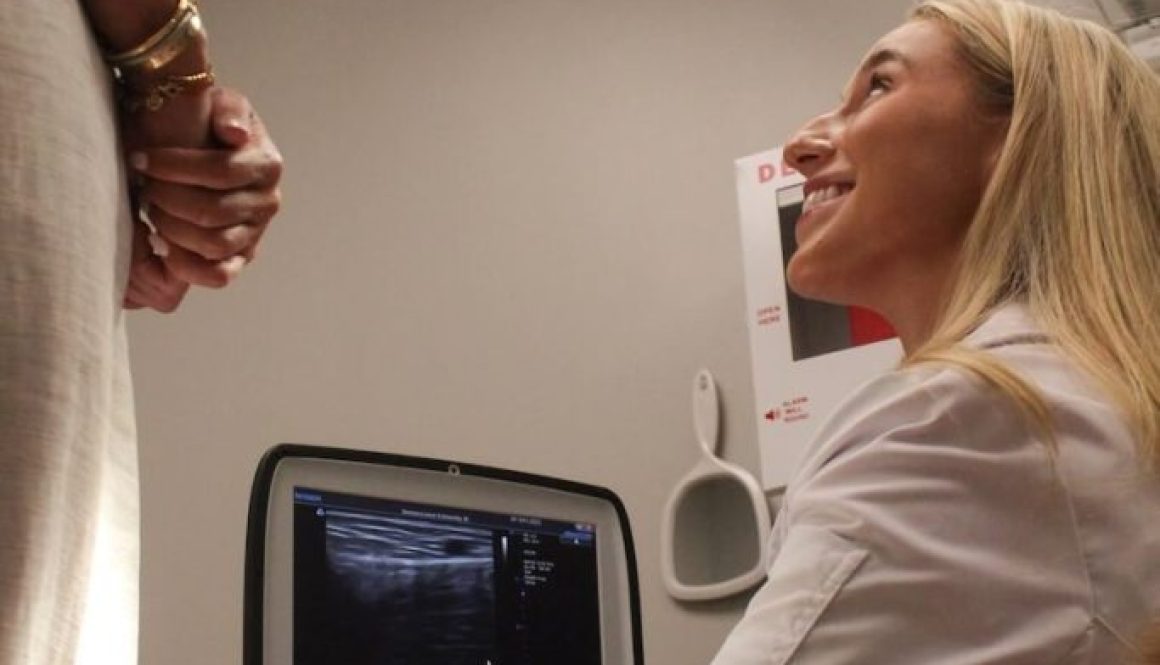
Before the procedure, a phlebologist will evaluate your condition using duplex ultrasound for vein mapping to diagnose venous insufficiency and assess the extent of reflux. Treatment generally takes less than an hour. Once the affected vein has been identified, a small amount of Varithena microfoam is administered into the vein. The foam fills the targeted section and causes the diseased vein to collapse and close.
After treatment, patients are typically able to walk and return to many normal daily activities the same day. Many patients seeking convenient, in-office procedures appreciate the comfortable and painless nature of this treatment.
What Is Recovery Like After Varithena?
Recovery after Varithena treatment is generally quick, with most people able to resume normal activities on the same day. Patients should follow their healthcare provider’s specific post-treatment instructions, which include personalized treatment plans and follow-up care to monitor progress.
Post-treatment recommendations may include wearing compression stockings on the treated leg, walking regularly and avoiding heavy exercise for approximately one week. Your healthcare provider will provide instructions based on your individual treatment and condition.
What Does Varithena Treat?
Varithena is a prescription medicine used to treat varicose veins associated with problems involving the great saphenous vein (GSV) and related veins in the GSV system. Treatment can help improve both the symptoms and appearance of varicose veins, with proven clinical studies demonstrating high patient satisfaction rates and long-term results.
Symptoms associated with varicose veins can include:
- Aching or discomfort
- Heaviness in the legs
- Swelling
- Throbbing
- Itching
- Visible or bulging varicose veins
Is Varithena the Same as Traditional Sclerotherapy?
Varithena is a form of foam sclerotherapy, but it uses a proprietary polidocanol injectable microfoam. The microfoam is administered into the affected vein, where it fills the targeted section and causes the malfunctioning vein to collapse. Blood is then redirected through healthier veins. This advanced endovenous ablation technique offers minimal scarring and gradual improvement over time.
Does Varithena Require Anesthesia?
Varithena does not require general anesthesia or surgical incisions. Because it is a minimally invasive treatment, it can be performed without the anesthesia and recovery associated with traditional vein surgery. This makes it an affordable and convenient option for patients concerned about cost and seeking insurance coverage for their treatment.
Are There Side Effects From Varithena?
As with any prescription treatment, Varithena can cause side effects. Common side effects include leg pain or discomfort and bruising or pain at the injection site. Potentially serious blood clots in the leg veins can also occur.
Varithena should not be used in people who are allergic to polidocanol or who have blood clots in their blood vessels. A healthcare provider can determine whether Varithena is an appropriate treatment based on your medical history, symptoms and vein condition.
Who Benefits from Varithena Foam Treatments?
Varithena is a good option for anyone with varicose veins who is seeking relief through a safe and minimally invasive procedure. It is particularly beneficial for those who have tried other treatments such as stripping, surgical removal or VenaSeal but were left with partial solutions or disappointments. Varithena has been shown to not only improve both the cosmetic appearance of the legs but also the quality of life of those who experience pain or discomfort due to their varicose vein conditions. Patients looking for experienced providers with years of experience and thousands of procedures performed can schedule a consultation to discuss their treatment options, payment options, and financing available.
Book a Varithena Vein Treatment Near You in Chicago
To sum up, Varithena represents an excellent alternative for patients seeking a minimally invasive and highly effective option to treat their varicose veins. With its innovative foam injection method, Varithena can effectively eliminate problematic veins while avoiding the risks, costs, and recovery time associated with traditional surgery. If you think you might benefit from Varithena treatment, be sure to seek the advice of a vein specialist who can help determine if it’s right for you.