What are the Worst Symptoms of Varicose Veins and the Six Stages of Vein Disease?
Venous disease is progressive. It does not just stay the same; it moves through clinical stages that range from cosmetic annoyances to serious medical complications. At Vein Health Centers, we use a scale from one to six to categorize the severity of the condition.
What are Stage 1, Stage 2, and the final stage of varicose veins?
The symptoms often start with a feeling of heaviness, itching, tingling, or swelling. As the blood pools, it can lead to inflammation (phlebitis) and sometimes superficial blood clots, which can be very painful.
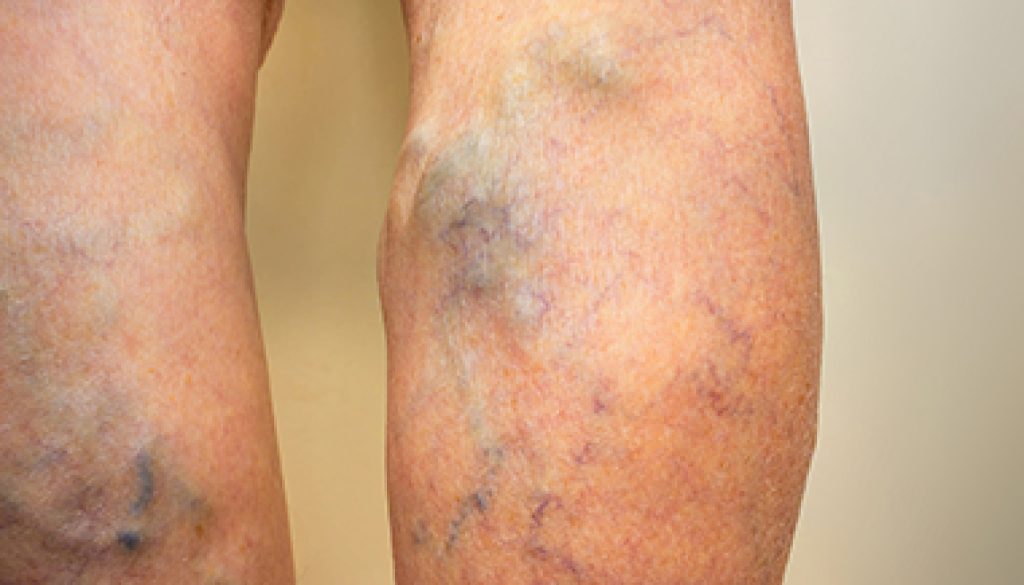
- Stage One: Small, reddish or purple spider veins appear.
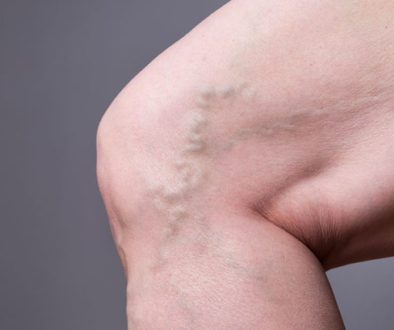
- Stage Two: The appearance of bulging, rope-like varicose veins.
- Stage Four: Significant skin changes, including dark discoloration and skin thickening.
- Stage Six: The final stage—an active, open wound or ulcer.
What helps varicose vein pain at night?
If you are struggling with pain at night, we recommend lying down and elevating the legs. This reduces the pressure and swelling that has built up throughout the day. Anti-inflammatory medications like ibuprofen can also be helpful. Many patients worry about the ultimate progression of the disease, but we want to be clear: while Stage 6 is serious, amputation is considered highly unlikely.
Proactive Care for Every Stage
At Vein Health Centers, we believe that no symptom is too small to address. Whether you are seeing the first signs of spider veins or managing advanced skin changes, our goal is to stop the progression of venous disease and restore your comfort. We combine advanced diagnostics with a deep understanding of the CEAP stages to provide personalized care. If you are experiencing leg heaviness or visible vein changes, we invite you to request an appointment to discuss a treatment plan tailored to your stage.